

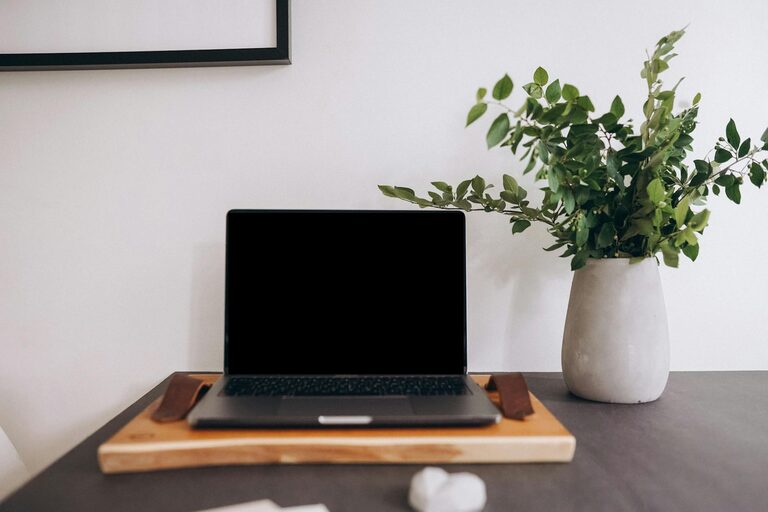
Creating a productive home office environment is essential for anyone working remotely or managing tasks from home. A well-planned workspace can increase focus, reduce distractions, and help maintain a healthy work-life balance. Whether you have a dedicated room or a small corner, these tips will guide you toward designing an efficient and comfortable home office.
Choose the Right Location
Selecting the best spot for your home office is the first step in boosting productivity.
– Quiet and Low Traffic: Pick a space away from daily household noises and interruptions.
– Adequate Space: Ensure there is enough room for your desk, chair, and equipment.
– Natural Light: If possible, position your workspace near a window for natural light, which can improve mood and energy.
Invest in Comfortable and Functional Furniture
Comfort matters when you spend long hours working.
– Ergonomic Chair: Choose an adjustable chair that supports your back and promotes good posture.
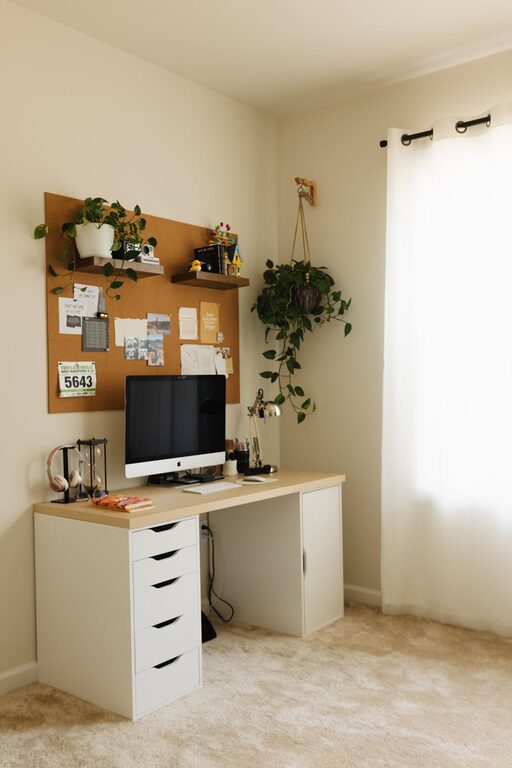
– Proper Desk: Opt for a desk at an ideal height, large enough for your essentials but not cluttered.
– Consider Standing Options: A sit-stand desk can help reduce fatigue and encourage movement.
Organize and Declutter Your Space
An organized workspace minimizes distractions and improves efficiency.
– Storage Solutions: Use shelves, drawers, or filing cabinets to keep documents and supplies orderly.
– Minimal Essentials: Keep only what you need on your desk to avoid clutter.
– Cable Management: Use clips or sleeves to arrange computer and electronic cables neatly.
Set Up Technology Efficiently
Technology is at the core of a home office, so setting it up right is key.
– Reliable Internet: Ensure a stable, high-speed connection to avoid disruptions.
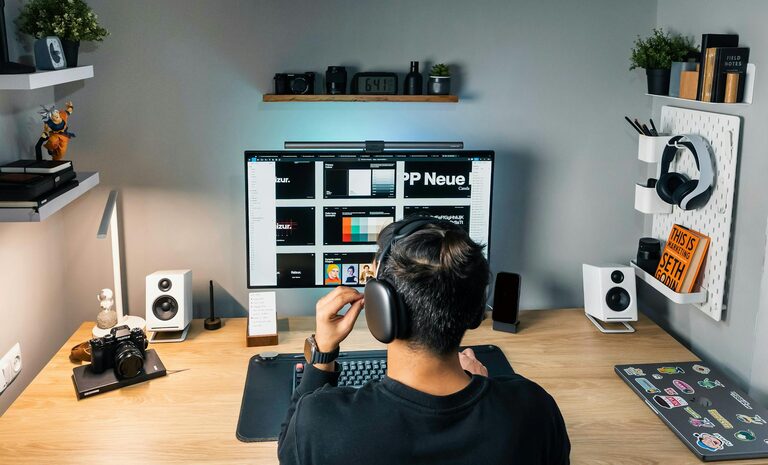
– Quality Equipment: Use a good computer, monitor(s), keyboard, and mouse that suit your work requirements.
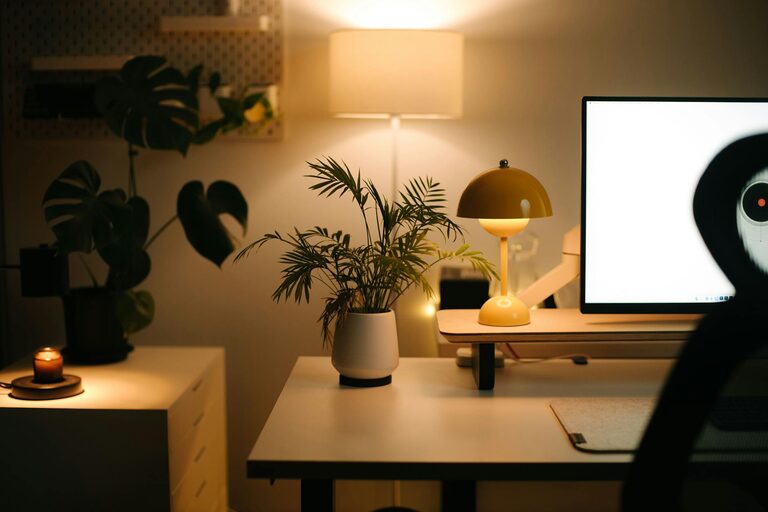
– Proper Lighting: Position desk lamps to reduce screen glare and eye strain.
Create Boundaries and Reduce Distractions
Maintaining focus requires clear boundaries.
– Establish Work Hours: Define and stick to specific work times to separate home life from work.
– Communicate Boundaries: Let family or housemates know your schedule to minimize interruptions.
– Use Headphones or White Noise: These can help block out background noise.
Personalize Your Workspace
A space that feels inviting can inspire and motivate you.
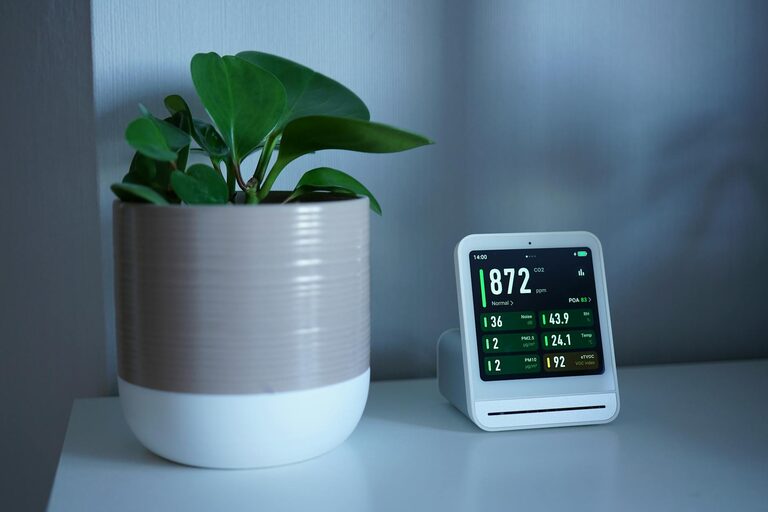
– Add Plants: Houseplants can improve air quality as well as bring life to your office.
– Incorporate Inspiring Elements: Photos, art, or motivational quotes can boost your mood.
– Choose a Pleasant Color Scheme: Colors like blues and greens can promote calm and concentration.
Prioritize Health and Well-Being
Your physical and mental health matter during work.
– Take Regular Breaks: Follow the 20-20-20 rule—every 20 minutes, look at something 20 feet away for 20 seconds.
– Move Frequently: Stretch or take short walks to reduce stiffness.
– Hydrate and Snack Smartly: Keep water nearby and choose healthy snacks.
Enhance Productivity with Routine and Tools
Having a structured daily routine and helpful tools can drive efficiency.
– Plan Your Day: Use a planner or digital calendar to schedule tasks and deadlines.
– Utilize Productivity Apps: Tools like task managers or focus timers can keep you on track.
– Review and Adjust: Periodically assess your setup and habits, making adjustments as needed.
—
By combining these tips, you can create a home office that not only supports your professional needs but also promotes well-being and work satisfaction. Remember that your workspace is personal—adjust these suggestions to what feels best for you. A productive home office is a significant step towards achieving success in your remote work journey.