





Creating an organized home workspace is essential for anyone working remotely or spending significant time on personal projects. A tidy, comfortable environment can make a noticeable difference in your focus, motivation, and overall productivity. If you’re looking to improve your work area without a full overhaul, here are simple and practical tips to help you organize your home workspace effectively.
Why Organizing Your Workspace Matters
An organized workspace enhances comfort and reduces distractions, helping you to maintain concentration. Clutter can slow down your work by making it harder to find things, while a well-arranged space supports good posture and encourages positive work habits. Setting up your workspace thoughtfully can also boost your mood and energy throughout the day.
Step 1: Find the Right Location
Choosing the ideal spot for your home workspace is the first step toward better organization and productivity.
– Natural Light: Select a location near a window if possible. Natural light can improve your mood and reduce eye strain.
– Minimal Noise: Pick a quiet corner or room where you can comfortably focus without frequent interruptions.
– Space: Make sure there is enough room for your desk, chair, and storage solutions without feeling cramped.
Step 2: Choose Appropriate Furniture
Your furniture directly impacts your comfort and organization.
– Desk: Opt for a desk that fits your needs—whether it’s a small writing desk or something larger to accommodate multiple monitors and paperwork.
– Chair: Invest in an ergonomic chair that supports your back and encourages good posture.
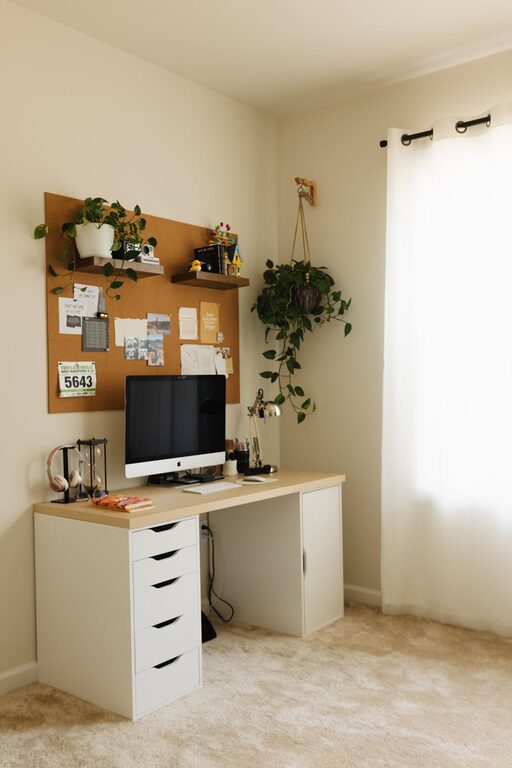
– Storage: Consider desks with built-in storage or add filing cabinets, shelves, or drawer organizers to keep supplies out of sight but easily accessible.
Step 3: Declutter and Prioritize Essentials
Less clutter means less mental distraction.
– Clear Your Surface: Keep your desk surface as clear as possible, leaving space primarily for your computer, keyboard, and essential tools.
– Sort Essentials: Identify items you use daily—pens, notebooks, chargers—and keep them within arm’s reach.
– Remove Extras: Store rarely used items elsewhere to reduce clutter.
Step 4: Implement Smart Storage Solutions
Organizing tools and supplies helps you focus on your work instead of searching for what you need.
– Drawer Organizers: Use trays or dividers to separate small items like paper clips, sticky notes, and pens.
– Shelves and Bins: Vertical storage can save space. Label bins or boxes so everything has a place.
– Cable Management: Use clips or cable sleeves to bundle cords neatly and prevent tangling.
Step 5: Optimize Lighting
Proper lighting reduces eye strain and keeps you alert.
– Task Lighting: Position adjustable desk lamps to illuminate your work without glare.
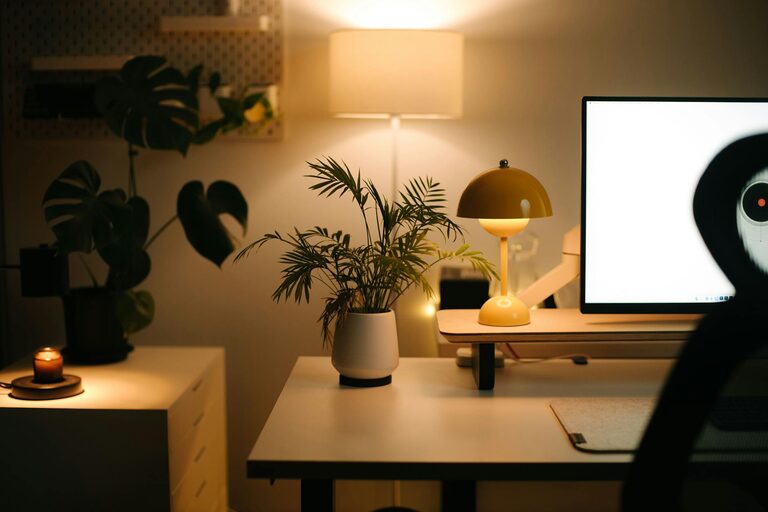
– Ambient Lighting: Combine natural light with soft room lighting to create a comfortable atmosphere that isn’t harsh or dim.
– Screen Position: Avoid placing your screen directly in front of bright windows to reduce reflections.
Step 6: Personalize Thoughtfully
Adding personal touches can make your workspace welcoming and motivating but avoid overdecorating.
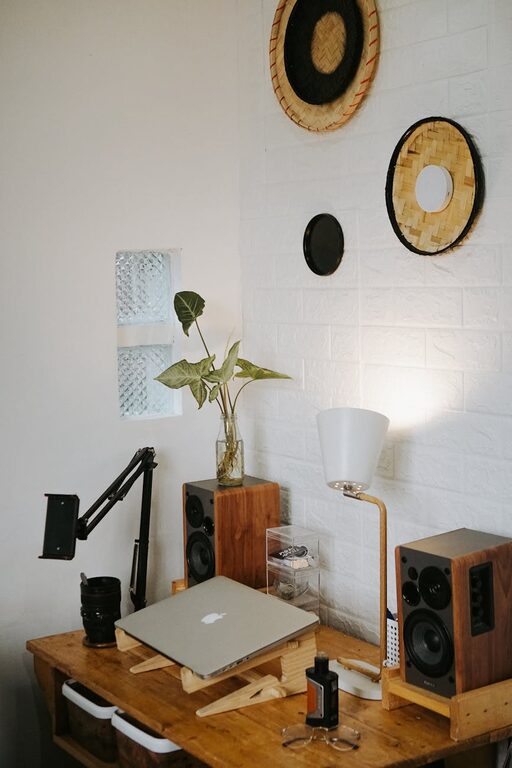
– Plants: Small indoor plants can improve air quality and add a calming natural element.
– Artwork or Photos: Display meaningful images or art that inspires you.
– Color: Incorporate colors that enhance focus and comfort, such as soft blues or greens.
Step 7: Establish a Daily Cleanup Routine
Maintaining organization is easier when it becomes a habit.
– End-of-Day Tidy: Spend a few minutes clearing your desk of papers and resetting supplies.
– Weekly Review: Once a week, organize files, wipe surfaces, and declutter your storage.
– Digital Organization: Don’t forget to keep your computer desktop and files tidy too.
Additional Tips for Maximum Comfort and Productivity
– Ergonomics: Adjust your chair height so your feet rest flat on the floor and your forearms are parallel to the desk.
– Break Space: If possible, designate a separate area for breaks to mentally separate work from rest.
– Noise Control: Use noise-canceling headphones or white noise apps if background noise is unavoidable.
Conclusion
Organizing your home workspace doesn’t have to be complicated or expensive. By choosing the right location, decluttering, adding smart storage, and personalizing your area, you can create a space that supports your productivity and comfort. Remember, the key is to maintain your organized setup regularly so it continues to serve your needs effectively. With these simple tips, your home office can become a place where you enjoy working every day.