




Indoor air quality plays a crucial role in our overall health and well-being. Since we spend a significant amount of time inside our homes, ensuring the air is clean and fresh is important. Poor indoor air can lead to problems like allergies, headaches, fatigue, or more serious respiratory issues over time. Fortunately, there are many simple steps you can take to improve the air quality in your living spaces.
Understanding Indoor Air Quality
Indoor air quality refers to the cleanliness and safety of the air inside your home. It can be affected by various factors including dust, pet dander, mold, chemicals from cleaning products, and outdoor pollution entering the house. By identifying common air pollutants and sources, you can better control and reduce them.
Tips for Improving Indoor Air Quality
1. Increase Ventilation
Good airflow helps reduce indoor air pollutants by bringing in fresh air and removing stale air.
– Open windows and doors when weather permits to let fresh air circulate.
– Use exhaust fans in bathrooms and kitchens to remove moisture and cooking fumes.
– Consider installing a mechanical ventilation system if your home has poor airflow.
2. Keep Your Home Clean
Regular cleaning reduces dust, pet dander, and other particles that can degrade air quality.
– Vacuum carpets and rugs at least once a week using a vacuum with a HEPA filter.
– Dust surfaces with a damp cloth to trap dust instead of spreading it around.
– Wash bedding, curtains, and pet bedding regularly to reduce allergens.
3. Control Humidity Levels
High humidity encourages mold growth and dust mites, which can worsen air quality.
– Use a dehumidifier in damp areas like basements.
– Keep indoor humidity levels between 30-50%.
– Fix leaks and promptly repair water damage to prevent mold.
4. Choose Air-Friendly Furnishings and Products
Some household items release volatile organic compounds (VOCs), which affect air quality.
– Opt for low-VOC or no-VOC paints, finishes, and furniture.
– Avoid synthetic fragrances, air fresheners, and harsh cleaning products.
– Use natural cleaning solutions like vinegar and baking soda where possible.
5. Introduce Indoor Plants
Certain houseplants can help improve air quality by absorbing pollutants.
– Examples include snake plants, spider plants, and peace lilies.
– Be mindful if anyone in your home is sensitive to pollen or has allergies.
– Keep plants healthy and soil mold-free.
6. Use Air Purifiers
Air purifiers can effectively remove airborne particles, including dust, pollen, and pet dander.
– Choose a purifier with a HEPA filter for best results.
– Place it in commonly used rooms for continuous air cleaning.
– Regularly replace filters according to manufacturer instructions.
7. Avoid Smoking Indoors
Tobacco smoke contains harmful chemicals and particles detrimental to indoor air quality.
– Make your home a smoke-free zone.
– If smoking is allowed, do it outside away from entrances and windows.
8. Maintain HVAC Systems
Heating, ventilation, and air conditioning (HVAC) systems help regulate indoor air but need regular upkeep.
– Change air filters every 1-3 months depending on use.
– Schedule annual HVAC system inspections and cleanings.
– Consider adding high-efficiency filters to capture smaller particles.
9. Minimize Use of Gas Appliances
Gas stoves, heaters, and fireplaces can emit pollutants like carbon monoxide and nitrogen dioxide.
– Ensure proper ventilation when using gas appliances.
– Use exhaust fans and open windows if cooking with gas.
– Regularly maintain gas equipment to reduce leaks.
Monitoring Your Indoor Air Quality
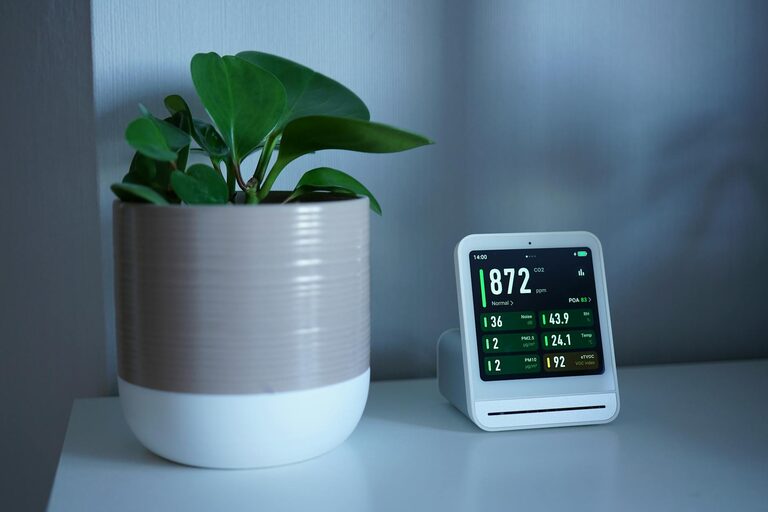
Pay attention to signs of poor air quality such as unpleasant odors, visible mold, frequent allergy symptoms, or respiratory discomfort indoors. There are also affordable indoor air quality monitors available to detect levels of pollutants like particulate matter, humidity, and volatile organic compounds. Monitoring helps you identify problems early and take action.
Final Thoughts
Improving indoor air quality doesn’t have to be complicated or expensive. With small changes like increasing ventilation, regular cleaning, and careful product choices, you can create a healthier home environment for you and your family. Good indoor air quality supports better comfort, health, and overall quality of life.
By taking simple and consistent steps, you bring fresh, clean air indoors — a breath of fresh air that benefits everyone.