



Creating a well-organized home office can significantly impact your productivity and comfort while working. Whether you’re freelancing, working remotely, or managing a household business, a tidy and thoughtfully arranged workspace can help you stay focused, reduce stress, and feel motivated throughout the day. Here are some practical tips to help you organize your home office efficiently.
Choose the Right Location
Find a Dedicated Space
Having a specific area for your work helps separate your professional life from your personal life. Choose a quiet spot with minimal distractions, ideally near a window for natural light.
Consider Size and Layout
Make sure your home office has enough room for essential furniture and storage but doesn’t feel cramped. An efficient layout supports easy movement and access to supplies.
Invest in Functional Furniture
Comfortable Chair and Desk
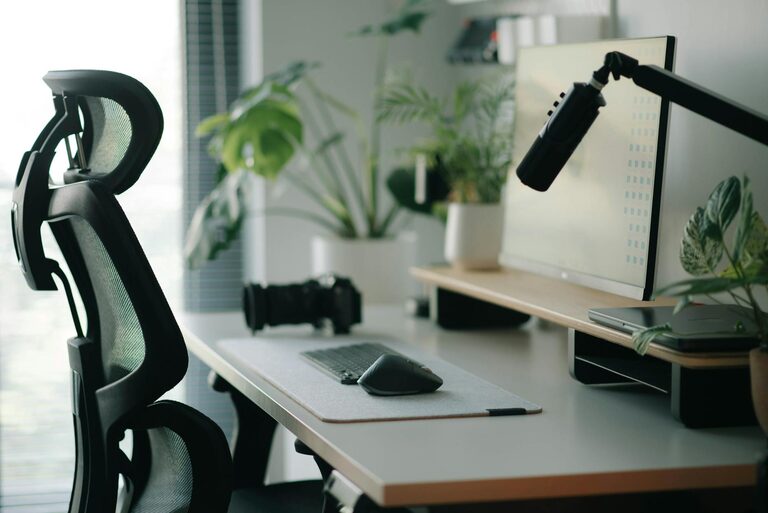
Ergonomics is key — select a chair that supports your back and a desk at the right height to avoid strain. Comfort keeps you focused and reduces physical fatigue.
Shelves and Storage Units
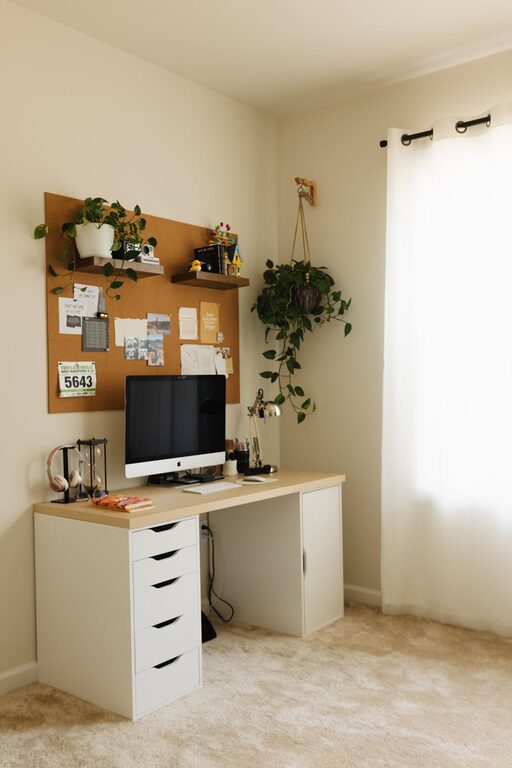
Vertical shelves or cabinets help keep your documents and supplies organized without taking up floor space. Choose units with doors to hide clutter when needed.
Declutter Your Workspace
Keep Only Essentials on Your Desk
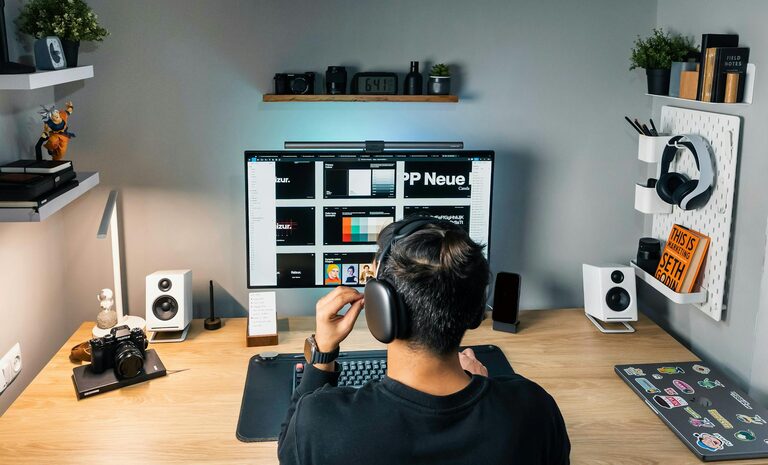
A clean desk enhances focus. Only keep items you use daily, like your computer, notepad, and a pen holder. Store other tools nearby but out of direct sight.
Regular Tidying Routine
Dedicate five minutes at the end of each day to tidy your desk, file papers, and put away supplies. This habit prevents clutter buildup over time.
Optimize Lighting
Use Natural Light When Possible
Natural light boosts mood and energy. Position your desk near a window, but avoid harsh glare on your computer screen.
Add Task Lighting
A desk lamp with adjustable brightness can provide additional light when needed, especially during evening work or in darker rooms.
Organize Your Supplies and Technology
Use Drawer Dividers and Containers
Keep small office supplies like paper clips, sticky notes, and cables organized using drawer dividers or small containers. This prevents searching and frustration.
Manage Cables Smartly
Use cable clips, ties, or sleeves to keep wires neat and untangled. A clean cable setup also reduces hazards and distractions.
Personalize Your Space
Add Plants or Artwork
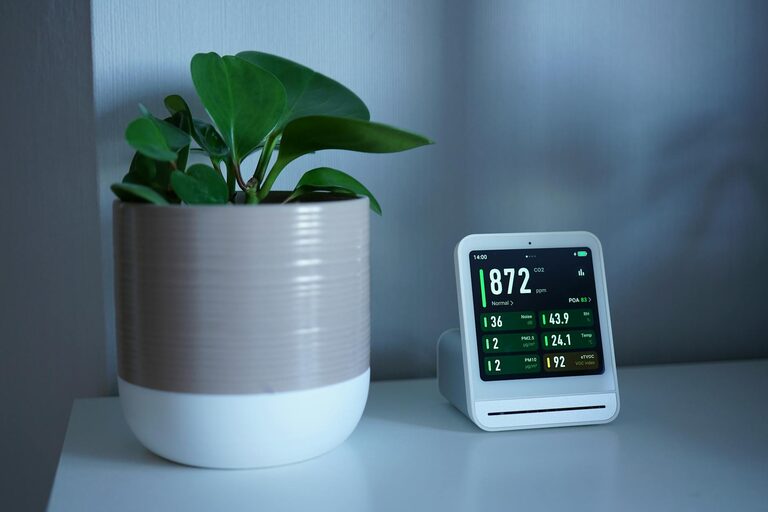
Small plants can improve air quality and add a touch of nature, making the space inviting. Artwork or photos provide inspiration and personality.
Avoid Overcrowding
While personalization is important, avoid filling your workspace with too many decorations that may distract you from your tasks.
Set Up an Efficient Filing System
Categorize Documents
Divide your files into clear categories such as invoices, contracts, and project notes. Use labeled folders or binders to keep them organized.
Choose Digital or Physical Filing
Depending on your preference, maintain a digital filing system or physical files. Digital backups are a smart way to ensure documents aren’t lost.
Incorporate Comfortable Climate Control
Maintain Good Ventilation
Fresh air helps you stay alert. If possible, open windows periodically or use a fan to circulate air.
Adjust Temperature
Use a heater or fan to keep the temperature comfortable year-round. Being too hot or cold can affect your concentration.
Use Technology Tools for Organization
Digital Calendars and Task Managers
Apps like Google Calendar or to-do list managers can help you keep track of deadlines and appointments, reducing paper clutter.
Cloud Storage Solutions
Storing files in cloud services allows easy access and sharing while reducing the need for physical storage space.
Establish Boundaries
Set Work Hours
Clearly define when you start and stop work to maintain work-life balance, which helps reduce burnout and improve overall productivity.
Communicate Your Space’s Purpose
If you share your home, make sure others know when your office is in use to minimize interruptions.
Final Thoughts
Organizing your home office is about creating a space that supports your workflow and well-being. By choosing the right location, investing in functional furniture, maintaining tidiness, and adding personal comfort, you can design an environment that makes working from home both productive and enjoyable. Start small, be consistent, and your organized office will soon become a place where your best work happens.