


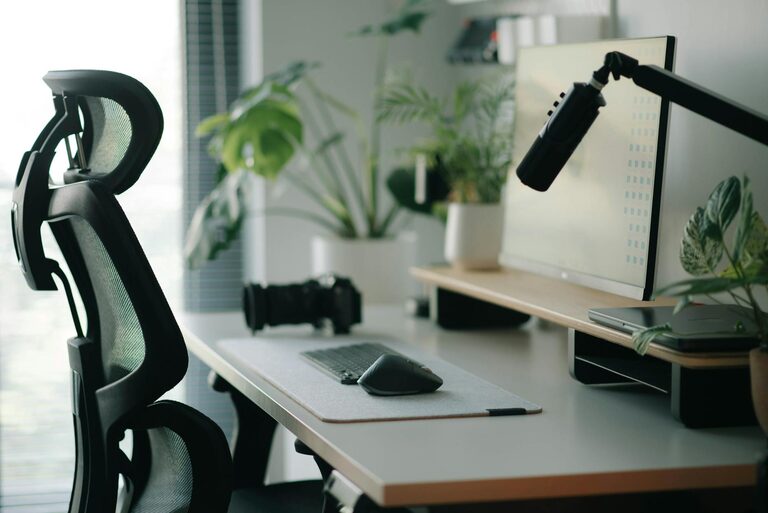

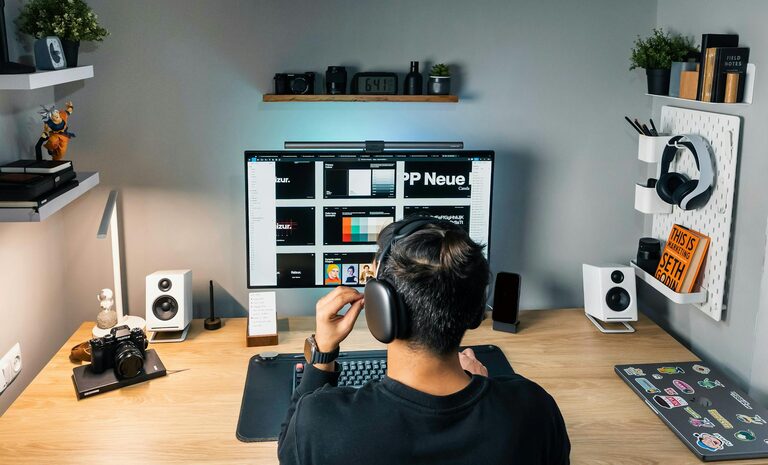

Working from home has become increasingly common, and with that comes the need for a home office that feels both cozy and functional. Whether you have a dedicated room or just a corner in your living space, creating the right environment is key to maintaining focus and enjoying your workday. In this post, we’ll share practical tips to help you design a home office that nurtures productivity while keeping comfort front and center.
Assess Your Space and Needs
Before you start decorating or buying furniture, take a moment to think about your specific needs.
– Define your space: Do you have a separate room or a small nook? Knowing your space limitations helps you select appropriate furniture and decor.
– Understand your work style: Do you spend hours writing, have frequent video calls, or use multiple monitors? Your setup should reflect these habits.
– Consider lighting: Natural light is ideal, but be prepared to add task lighting to reduce eye strain.
Choose Comfortable and Supportive Furniture
Your office will quickly become a frequent spot in your day, so invest time in choosing furniture that supports your health and comfort.
Ergonomic Chair
A good chair is essential. Look for one with adjustable height, lumbar support, and comfortable padding. Ergonomic chairs help prevent back and neck pain during long work sessions.
Desk Selection
Pick a desk that fits your available space and accommodates your work needs. If possible, consider adjustable-height desks that allow alternating between sitting and standing.
Additional Seating
If you have space, a small lounge chair or pouf can offer a relaxing spot for breaks or informal meetings.
Optimize Lighting for Comfort and Focus
Good lighting impacts both your mood and productivity.
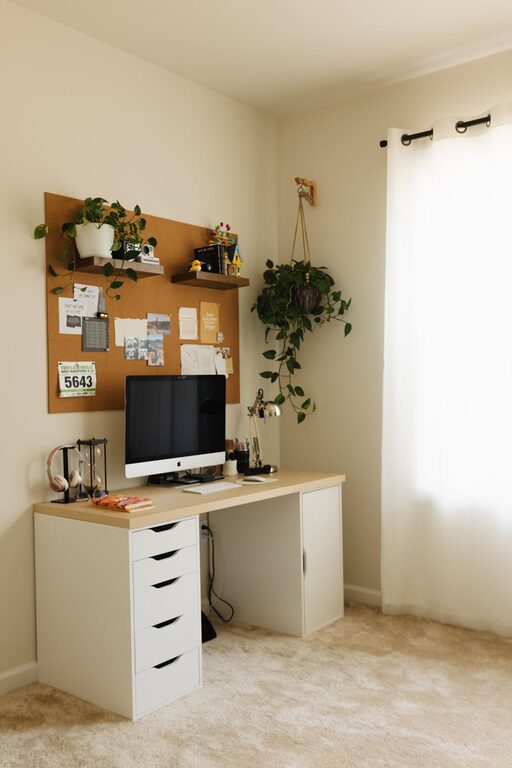
– Maximize natural light: Position your desk near a window. Use sheer curtains to soften glare without blocking light.
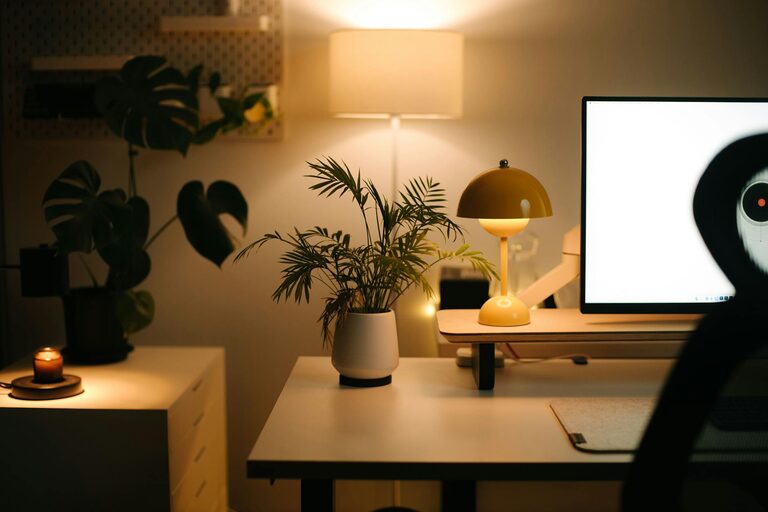
– Add layered lighting: Combine ambient lighting (overhead) with task lighting like desk lamps. Adjustable lamps help focus light exactly where you need it.
– Use warm light bulbs: Warm or natural white bulbs create a cozy atmosphere that’s easier on your eyes.
Personalize with Calming and Inspiring Elements
Adding personal touches can make your office inviting and help reduce stress.
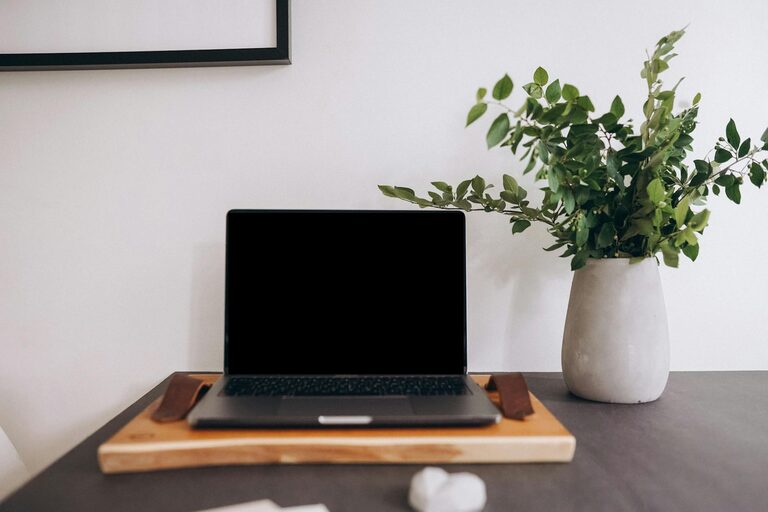
– Incorporate plants: Indoor plants bring freshness and improve air quality. Choose low-maintenance options like snake plants or pothos.
– Use calming colors: Soft blues, greens, or neutrals promote relaxation and focus. Add pops of color with accessories.
– Display meaningful items: Photos, artwork, or motivational quotes can inspire you throughout the day.
Keep Your Space Organized and Clutter-Free
A tidy workspace leads to clearer thinking and less distraction.
– Invest in storage solutions: Use shelves, bins, or drawers to keep supplies and documents out of sight but easily accessible.
– Cable management: Keep cords neat using clips, sleeves, or cable boxes to avoid tangles and visual clutter.
– Daily tidy-up: Spend a few minutes at the end of each day organizing your desk to start fresh tomorrow.
Create Zones for Different Activities
If your space allows, divide your office into zones dedicated to various tasks.
– Work zone: Where your computer and main tools live.
– Reading or brainstorming zone: A comfortable chair and good lighting.
– Storage zone: Shelving or filing cabinets.
Clear boundaries between zones help your brain switch between different work modes.
Focus on Technology Setup
Technology plays a vital role in remote work, so ensure your office tech supports your productivity.
– Reliable internet connection: Position your router or use an Ethernet cable for stability.
– Quality peripherals: Invest in a good keyboard, mouse, and headset to improve comfort and communication.
– Screen placement: Position your monitor at eye level to reduce neck strain.
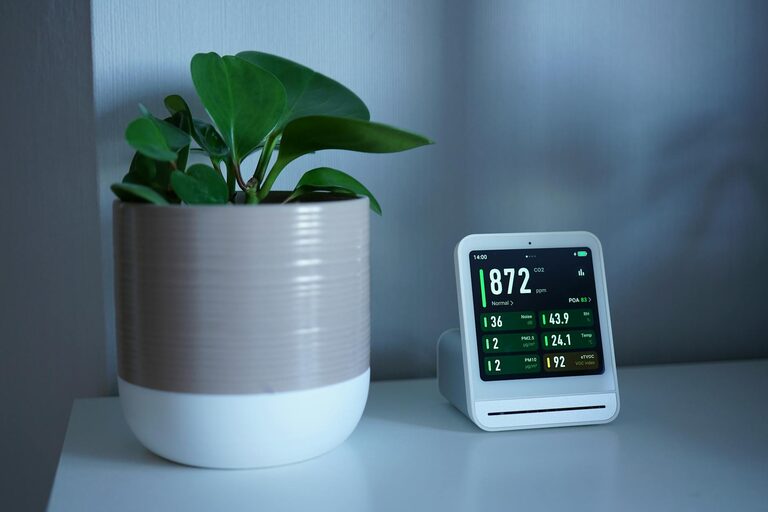
Maintain Good Air Quality and Temperature
Your physical comfort affects concentration.
– Ventilation: Open windows when possible or use fans to circulate air.
– Temperature control: Use heaters or air conditioners as needed to keep the room comfortable year-round.
Set Boundaries Between Work and Life
Finally, creating a cozy and functional office means balancing work with relaxation.
– Signal work hours: Use visual cues like closing a door or switching on a desk lamp to mark when you’re “at work.”
– Take breaks: Incorporate short breaks throughout the day in your routine and take advantage of your cozy surroundings to refresh your mind.
– Respect end time: When the day ends, leave your workspace to maintain a healthy work-life balance.
—
Designing a home office that supports both comfort and efficiency doesn’t require a big budget or extensive renovations. By focusing on your unique needs, choosing supportive furniture, adding personal touches, and organizing your space smartly, you can create a spot that makes working from home enjoyable and productive. Keep these tips in mind as you build your ideal home office—your future self will thank you!